
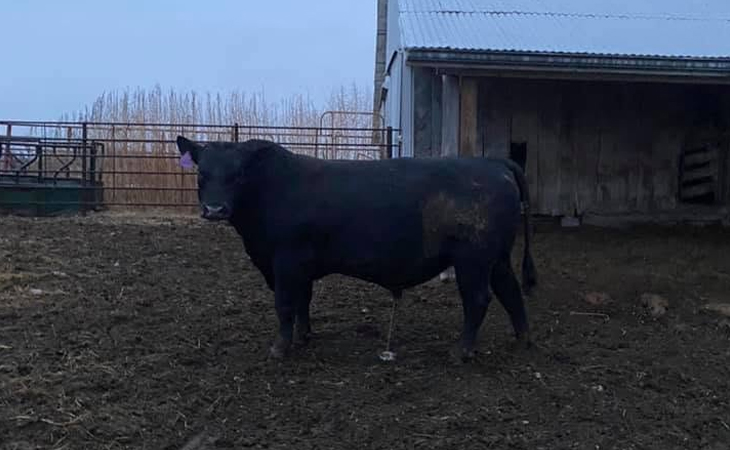
The cattle industry offers producers many options when it comes to selecting breeds for their operations. Among the most recognized and respected breeds in the beef industry is Angus cattle. Known for their quality genetics, strong performance, and market demand, purebred Angus cattle continue to be a popular choice for ranchers and cattle producers across the country.
One of the primary reasons Angus cattle are considered a smart investment is their reputation for producing high-quality beef. Consumers consistently seek beef that offers excellent flavor, tenderness, and marbling. Angus genetics have long been associated with these desirable traits, helping create strong demand throughout the beef supply chain. This demand often translates into greater market opportunities for producers who invest in quality Angus cattle.
Genetics play a critical role in the success of any cattle operation. Purebred Angus cattle provide producers with access to proven bloodlines that can improve herd performance over time. Careful breeding programs focus on traits such as growth rates, fertility, maternal ability, feed efficiency, and overall carcass quality. These characteristics can contribute to stronger long-term results and help producers achieve their herd improvement goals.
Another advantage of Angus cattle is their adaptability. The breed performs well in a variety of environments and management systems, making it suitable for many different types of operations. Whether raised on pasture-based systems or integrated into larger commercial programs, Angus cattle have demonstrated consistent performance under diverse conditions.
Maternal traits are another reason many producers choose Angus genetics. Angus females are often recognized for their strong mothering abilities, fertility, and calving ease. These traits can help improve herd productivity while reducing management challenges associated with difficult births and reproductive issues. Strong maternal performance contributes directly to the long-term sustainability of a cattle operation.
Efficiency is an important consideration in modern agriculture, and Angus cattle are known for converting feed into weight gain effectively. Improved feed efficiency can help producers manage costs while maintaining productive herds. As input costs continue to fluctuate, selecting cattle with proven performance traits becomes increasingly important for maintaining profitability.
Marketability also plays a significant role in the value of Angus cattle. The Angus brand has earned widespread recognition within the beef industry, creating confidence among buyers and consumers alike. Producers who invest in quality Angus genetics often benefit from strong demand and broad market acceptance, helping support the long-term value of their cattle.
In addition to commercial production benefits, purebred Angus cattle can provide opportunities for seedstock producers focused on breeding and genetics. High-quality breeding stock can help improve other herds while creating additional revenue opportunities through cattle sales and breeding programs.
Beyond performance and profitability, investing in quality cattle reflects a commitment to building a stronger operation for the future. Producers who prioritize sound genetics and responsible herd management often position themselves for greater success over time. Angus cattle continue to be a valuable component of many successful ranching operations because of their proven track record and industry reputation.
As the cattle industry continues to evolve, the importance of quality genetics remains constant. Purebred Angus cattle offer a combination of performance, adaptability, market demand, and long-term value that makes them a smart investment for producers seeking to strengthen their operations. By focusing on quality bloodlines and sound management practices, cattle producers can build herds that deliver results for years to come.